






What Is Potassium?
Potassium is an essential mineral and electrolyte that plays a crucial role in many functions throughout the body. It helps regulate fluid balance, nerve signalling and muscle contractions, including those of the heart.
Adequate potassium intake is associated with a range of health benefits, including supporting healthy blood pressure, reducing the risk of stroke and maintaining bone health. For athletes and physically active individuals, potassium is particularly important because of its role in hydration and electrolyte balance.
During exercise, electrolytes are lost through sweat. Replacing these minerals helps maintain fluid balance, supports muscle function and allows the body to continue performing efficiently.
In this article we explore how potassium supports health and hydration, why many people fall short of recommended intake and how athletes can ensure they get enough through diet and supplementation strategies.
Potassium and Cardiovascular Health
Potassium plays an important role in maintaining healthy blood pressure levels. Higher potassium intake is linked to improved blood pressure control, particularly in individuals with elevated blood pressure.
One reason for this is potassium’s relationship with sodium. Potassium helps counterbalance sodium in the body, supporting healthy fluid balance and blood pressure regulation. Diets that contain adequate potassium alongside moderate sodium intake are generally associated with better cardiovascular health.
Research has also suggested that higher potassium intake may reduce the risk of stroke and other cardiovascular events. Maintaining a healthy sodium to potassium ratio appears to be particularly important for long-term heart health.
This is one reason why diets rich in whole foods such as fruits, vegetables, legumes and dairy products are commonly linked with improved cardiovascular outcomes.
Potassium’s Role in Hydration
Potassium is one of the body’s key electrolytes and is the primary positively charged mineral found inside cells. Around 90% of the body’s potassium is stored within cells, where it helps regulate fluid balance and maintain proper cellular function.
Potassium works closely with sodium through a process often referred to as the sodium-potassium pump. This mechanism moves sodium out of cells and potassium into cells, helping maintain the balance of fluids and electrolytes throughout the body.
This balance is essential for :
- Maintaining hydration status
- Supporting nerve signalling
- Allowing muscles to contract efficiently
- Regulating cellular function
For athletes, this balance becomes especially important during exercise. Sweating leads to the loss of fluids and electrolytes and replacing both sodium and potassium helps maintain hydration and support muscle function.
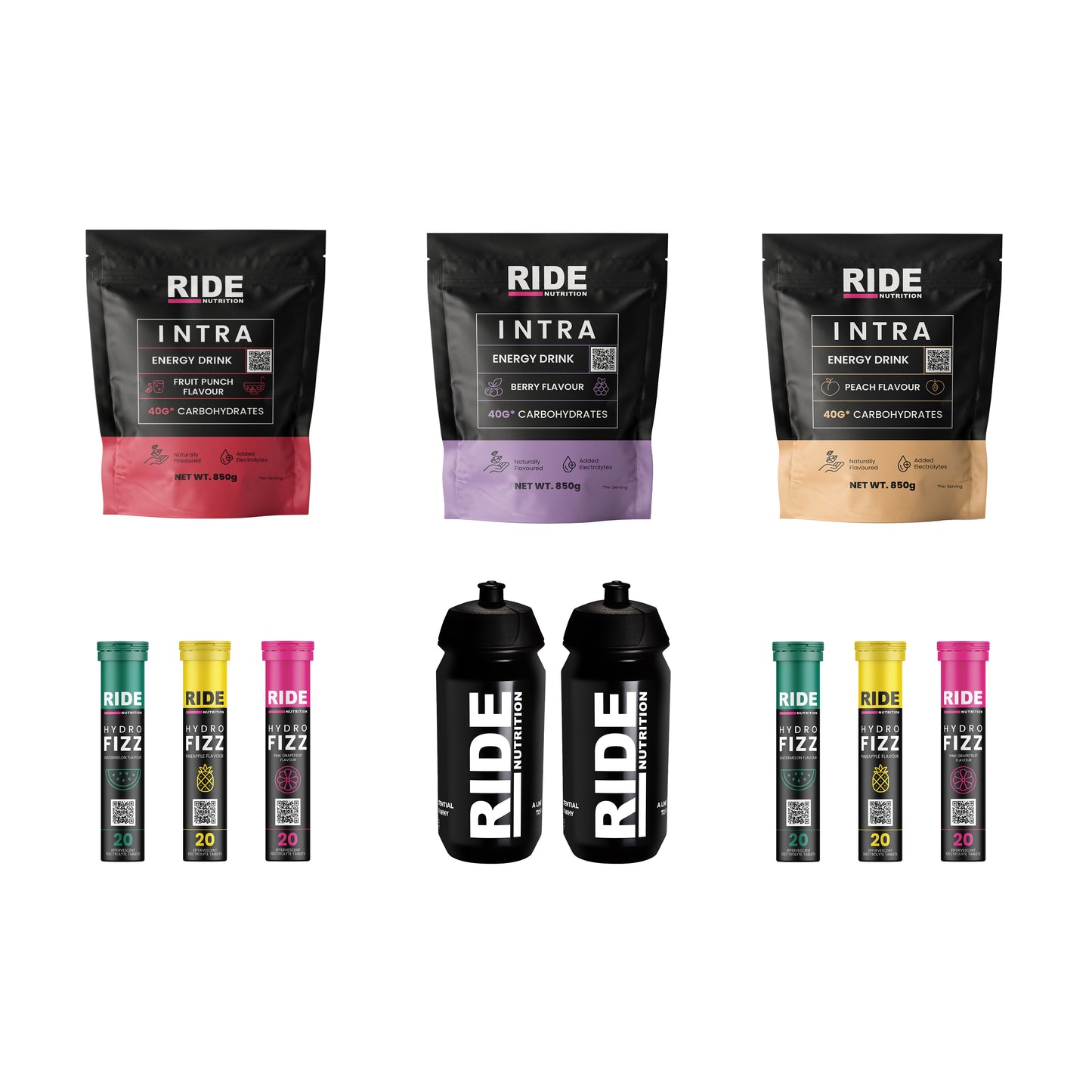
Hydration products that contain a balanced electrolyte profile can support this process. RIDE Nutrition Hydro Fizz Electrolyte Tablets contain potassium alongside sodium, magnesium and calcium helping replenish electrolytes lost through sweat and supporting hydration during training or competition.
Global Potassium Intake
Despite its importance, potassium intake is widely considered to be below recommended levels across much of the world.
Modern diets often contain higher levels of sodium and lower amounts of potassium due to increased consumption of processed foods and reduced intake of fruits and vegetables.
Increasing the intake of potassium rich whole foods can help improve this balance while supporting overall dietary quality and long-term health.
Dietary Sources of Potassium
Potassium is naturally found in a wide range of whole foods. Some of the richest sources include:
- Bananas
- Sweet potatoes
- Spinach
- Avocados
- Beans and lentils
- Salmon
- Yogurt
- Oranges
- Tomatoes and tomato sauces
- Potatoes
- Coconut water
Including a variety of these foods in the diet can help increase potassium intake while also supporting overall nutritional balance.
Potassium balance can also be influenced by lifestyle factors. High sodium intake can increase potassium loss, while excessive caffeine and alcohol intake may increase urinary excretion.
Maintaining a balanced diet rich in whole foods remains one of the most effective ways to improve potassium intake.
Conclusion
Potassium is a vital mineral that supports hydration, cardiovascular health and muscle function. It works alongside sodium to regulate fluid balance, support cellular processes and maintain normal physiological function.
Despite its importance, many people consume less potassium than recommended due to modern dietary patterns that rely heavily on processed foods.
For athletes and active individuals, maintaining adequate potassium intake is particularly important. Combining a diet rich in potassium containing whole foods with effective hydration strategies can help support electrolyte balance, hydration and performance.