






What is Sodium?
Sodium is an essential mineral and electrolyte that plays a key role in fluid balance, nerve signalling and muscle contraction. It also helps regulate blood pressure and maintain plasma volume, both of which are important for overall health and physical performance.
For athletes, sodium has an additional role - supporting hydration status during exercise. By helping the body retain fluid, sodium ensures that cells receive the nutrients they need and that muscles and nerves can function properly during prolonged activity.
During long or intense training sessions particularly in hot conditions, athletes lose significant amounts of sodium through sweat. If not replaced, hydration status and performance can suffer. Maintaining appropriate sodium intake therefore becomes an important part of any fuelling and hydration strategy.
Sodium and General Health
For many years sodium was widely associated with poor health outcomes, particularly high blood pressure and cardiovascular disease. While excessive intake can still be problematic for some individuals, modern understanding suggests the relationship between sodium and health is more nuanced than previously believed.
Both extremely high and extremely low sodium intakes may carry potential risks. For most healthy individuals, moderate sodium consumption within a balanced diet is unlikely to cause health problems.
Sodium in the Modern Diet
Most dietary sodium does not come from salt added during cooking. Instead, the majority comes from processed and packaged foods, including bread, cheese, cured meats, snack foods and ready made meals.
These hidden sources often lead to higher daily sodium intake than people realise. Reducing processed foods and prioritising whole foods can significantly improve overall dietary balance.
For athletes however, sodium intake needs to be considered differently, particularly when training hard or exercising for long periods.
Sodium and Athletic Performance
During exercise the body loses fluid and electrolytes through sweat. Sodium is the primary electrolyte lost and losses can vary widely depending on factors such as exercise intensity, duration and environmental temperature.
Sweat rates and the sodium content of sweat is highly individualised. Some athletes may lose hundreds to thousands of milligrams of sodium per hour during prolonged activity.
If these losses are not replaced, several issues can occur :
- Reduced hydration levels
- Decline in endurance performance
- Increased fatigue
- Higher risk of muscle cramps
- Potential electrolyte imbalances
Because sweat sodium losses vary significantly between individuals, hydration strategies should ideally be personalised and practised during training.
Sodium’s Role in Hydration
Sodium plays a crucial role in helping the body absorb and retain fluid. When sodium is consumed alongside fluids, it helps maintain plasma volume and supports more effective hydration.
Plain water alone may not always be sufficient during prolonged exercise. Drinking only water can dilute blood sodium levels, reduce thirst signals and lead to incomplete rehydration.
Including sodium in hydration strategies can help :
- Stimulate thirst
- Encourage adequate fluid intake
- Improve fluid retention
- Support faster recovery after exercise
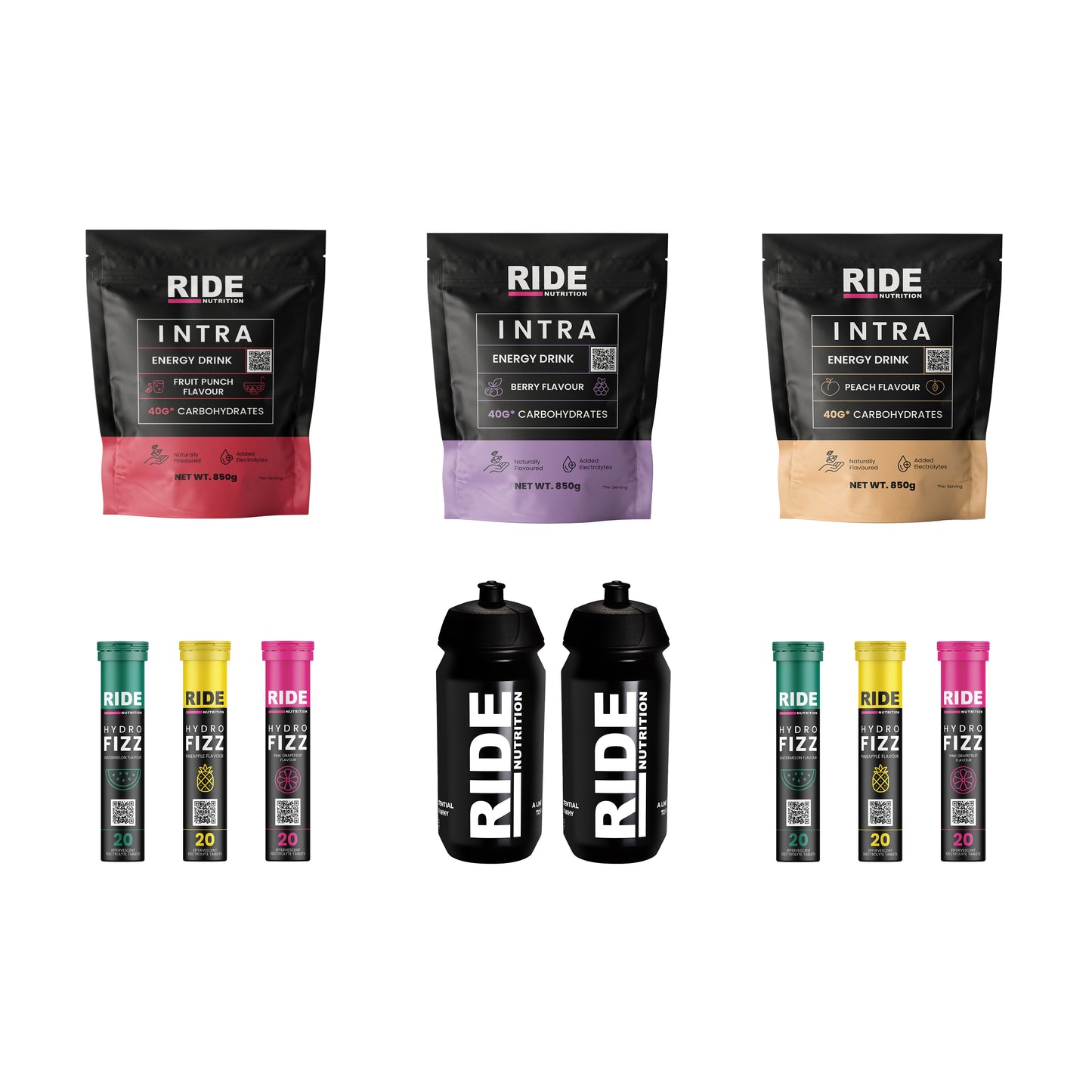
For athletes training or competing for extended periods of time, products such as our Hydro Fizz Electrolyte Tablets, which provide 500 mg of sodium per tablet offer a simple and convenient way to replace sodium losses during training or competition.
Sodium, Muscle Function and Cramps
Sodium is essential for nerve transmission and muscle contraction, meaning low levels can interfere with normal muscle functioning.
During prolonged exercise, heavy sweating can disrupt electrolyte balance and contribute to neuromuscular fatigue. This combination of fatigue, dehydration and electrolyte loss is one of the key factors linked to exercise associated muscle cramps.
Maintaining adequate hydration and electrolyte intake can help reduce the likelihood of cramps, particularly during long training sessions or competitions in warm environments.
How Hydration Affects Health and Performance
The human body is made up of roughly 60% water, and maintaining proper hydration is critical for many physiological processes.
Fluid supports :
- Cardiovascular function
- Temperature regulation
- Nutrient transport
- Waste removal
- Cognitive performance
Even mild dehydration can negatively affect both physical and mental performance. A fluid loss of around 2% of body weight can begin to reduce endurance capacity, increase fatigue and impair concentration.
For athletes, this can translate to :
- Reduced strength and endurance
- Higher perceived effort
- Slower reaction times
- Earlier onset of fatigue
Maintaining hydration through a combination of fluids and electrolytes is therefore essential for optimal training and performance.
Practical Hydration Strategy for Athletes
While hydration needs vary between individuals, a practical strategy during prolonged exercise often includes :
- Regular fluid intake throughout training or competition
- Electrolyte replacement, particularly sodium alongside potassium, magnesium and calcium in smaller amounts.
- Adjusting intake based on sweat rate, intensity and environmental conditions
Electrolyte supplements can make this easier to manage. For example, our Hydro Fizz Electrolyte Tablets containing 500 mg of sodium per tablet.
Conclusion
Sodium plays a vital role in both health and athletic performance. While excessive intake from highly processed foods should be avoided, sodium remains an essential electrolyte that supports fluid balance, nerve function and muscle contraction.
For athletes who train hard and sweat heavily, sodium replacement becomes particularly important. Including sodium as part of a structured hydration strategy can help maintain fluid balance, reduce fatigue and support performance during prolonged activity.
By combining adequate fluid intake with electrolytes such as Hydro Fizz, athletes can better manage sweat losses, maintain hydration and perform at their best.